
There’s never been a better reason for day drinking than this…

Before anyone takes that headline as permission to crack open the rosé at 10am, hear me out.
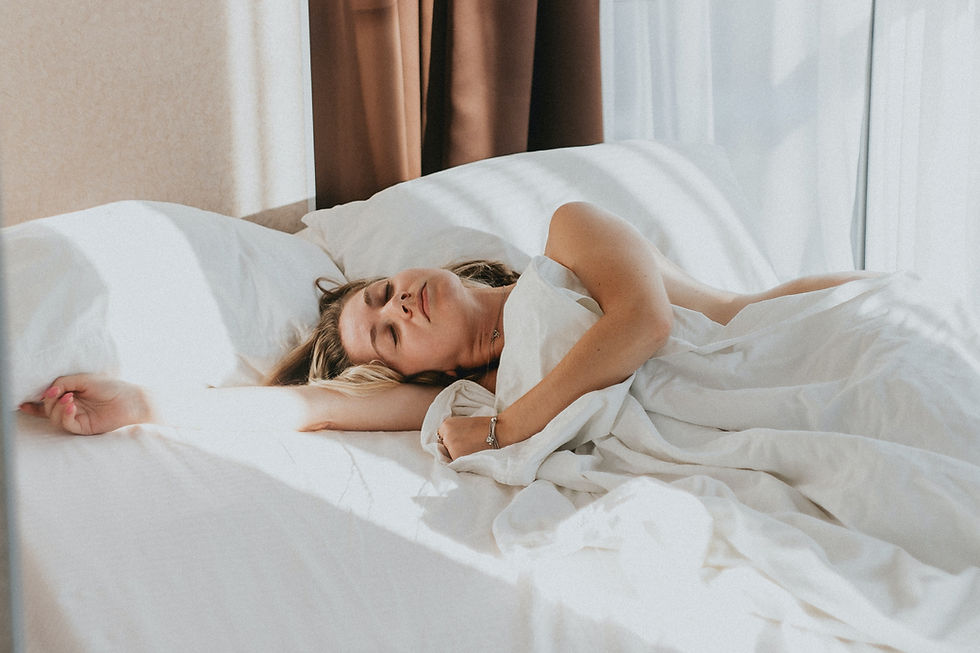
If you’re navigating perimenopause or menopause and wondering why even one glass of wine suddenly seems to derail your sleep, you’re not imagining it.
Sleep problems are already incredibly common during the menopause transition. Hormone fluctuations, hot flushes and night sweats, mood changes and other factors can all contribute to difficulty falling asleep, staying asleep and waking feeling refreshed.
Then we throw alcohol into the mix.
And while a glass of wine might feel like it helps you unwind, the research tells a rather different story about what happens once you actually fall asleep.
And while abstaining from alcohol is the best solution, let’s be realistic here. Alcohol is a huge part of how we socialise with others and who doesn’t like a delicious glass of red wine paired with a creamy blue cheese!
So how can you strike a balance between sleep and socialising..?
The answer might just be in the timing of when you drink.
Alcohol has sedative effects, so drinking in the evening may make you feel relaxed and can even help you fall asleep more quickly, however, it doesn’t actually help you sleep better.
A 2024 systematic review and meta-analysis of 27 studies found that alcohol alters normal sleep architecture, including delaying REM sleep and reducing the amount of REM sleep we get. Importantly, disruption to REM sleep was observed even following relatively low amounts of alcohol (approximately two standard drinks) and became progressively worse as alcohol intake increased.
A more recent review reached a similar conclusion: alcohol may shorten the time it takes to fall asleep, but it can suppress REM sleep, increase sleep fragmentation and contribute to poorer sleep, particularly during the second half of the night.
So that familiar scenario of falling asleep easily after a couple of wines, only to wake at 2 or 3am feeling hot, restless and frustratingly wide awake?
There’s some physiology behind it.
And menopause has already made sleep more vulnerable
This matters because sleep disturbance is one of the most common complaints during the menopause transition.
Fluctuating oestrogen and progesterone, vasomotor symptoms such as hot flushes and night sweats, mood changes and age-related changes in sleep can all contribute.
Alcohol isn't necessarily causing all of your sleep problems.
But if your sleep is already more fragile, adding something known to disrupt normal sleep isn't exactly helping your cause.
And interestingly, new research suggests women may experience some of alcohol's acute physiological effects more strongly than men.
What 5 million nights of data tell us about alcohol
A fascinating 2026 study published in PLOS Digital Health analysed more than 5.1 million person-days of data from almost 21,000 adults using wearable technology.
Researchers compared people's physiology and behaviour on drinking days with their own usual patterns.
Alcohol consumption was associated with:
higher overnight resting heart rate
lower heart rate variability (HRV)
shorter sleep duration
less physical activity the following day
The physiological disruptions were greater in females
And the effects generally increased as alcohol consumption increased.
The researchers also investigated whether anything people did could lessen these effects.
And this is where things get interesting.
Drinking earlier was associated with less disruption.
The longer the period between the final alcoholic drink and sleep, the smaller some of the adverse physiological effects appeared to be. Longer post-drinking sleep and reducing physical activity on drinking days were also associated with smaller disruptions.
Which brings me back to the headline…
Is lunch wine officially healthier than dinner wine?
Not exactly.
Unfortunately, science has not given us permission to prescribe long lunches and afternoon margaritas.
What the evidence does suggest is that if you're going to drink alcohol, finishing earlier and allowing more time between your last drink and bedtime may be less disruptive than drinking immediately before bed.
That makes physiological sense.
Alcohol doesn't just disappear from your bloodstream when you finish your glass.
It needs to be absorbed, distributed and metabolised, predominantly by the liver. Factors including biological sex, body composition, genetics, food intake and reproductive status can influence this process.
Can you speed up alcohol metabolism?
Here's another important distinction.
You can't "detox" alcohol out of your system with coffee, a cold shower, exercise or a litre of water.
Only time will metabolise it.
Hydration and food may help you feel better and food can affect alcohol absorption, but neither magically makes your liver eliminate alcohol faster. Individual metabolism also varies enough that rules such as "one drink takes exactly one hour to clear" shouldn't be treated as precise calculations.
And remember that a standard drink is often smaller than the drink actually sitting in your glass.
In Australia, one standard drink contains 10 g of alcohol. A typical 150 mL restaurant glass of red wine at 13.5%, for example, contains around 1.6 standard drinks.
That generous home pour might therefore represent considerably more alcohol than you think.
So what can you actually do?
If alcohol is part of your lifestyle and you're not interested in giving it up completely, that’s okay. But perhaps there are small things you can do to shift towards a more optimal you.
Here are six small shifts you can do:
1. Drink less.This remains the most effective strategy. Australia's NHMRC guidelines recommend no more than 10 standard drinks per week and no more than four on any one day to reduce alcohol-related harm — while emphasising that the less you drink, the lower your risk.
2. Move your drinks earlier.If you're going to enjoy a glass of wine, consider having it with a late lunch or early dinner rather than drinking into the evening. The aim is to create a longer alcohol-free window before bedtime.
3. Eat when you drink.Avoid drinking on an empty stomach. Food can slow alcohol absorption and reduce how rapidly blood alcohol concentration rises, although it doesn't eliminate alcohol's effects or make drinking risk-free.
4. Stay hydrated.Alternate alcoholic drinks with water and continue drinking fluids afterwards. Hydration won't accelerate alcohol elimination, but it can help counter the fluid losses associated with drinking.
5. Don't sacrifice sleep for the sake of the drink.The PLOS study found that longer sleep following alcohol consumption was associated with smaller physiological disruptions. If you've had a social night, it's probably not the ideal morning to deliberately cut your sleep short for a 5.30am workout.
6. Pay attention to your own response.If you consistently sleep terribly after two glasses of wine, that's useful information. You don't need a wearable or a research paper to tell you that alcohol isn't serving your sleep particularly well.
Try experimenting with the amount, timing and frequency of alcohol and see what changes.
The bigger picture: alcohol and menopause
Sleep isn't the only reason to reconsider how alcohol fits into midlife.
A 2024 review examining alcohol use during midlife and menopause highlighted potential relationships with menopausal symptoms including sleep problems, mood disturbance and vasomotor symptoms, alongside the broader health consequences associated with higher alcohol intake.
That doesn't mean you need to swear off your Friday-night wine forever.
It means alcohol is worth treating like any other health behaviour: understand what it does, decide what matters to you and make an informed choice.
For some women, that might mean drinking less frequently.
For others, it might mean reducing from three drinks to one.
And for others, it might simply mean moving that Saturday glass of wine from 8pm to 3pm.
Long lunch, anyone?
The MenoMojo takeaway
If sleep has become harder during perimenopause or menopause, alcohol is one of the modifiable factors worth looking at.
The best strategy for minimising alcohol's effect on your sleep and overall health is straightforward:
Drink less.
But if you choose to drink, the emerging evidence gives us another useful strategy:
Drink earlier.
Menopause health doesn't have to be about removing everything you enjoy.
Sometimes it's simply about understanding how your body is changing, and being a little more strategic about the choices you make.
References & further reading
This article provides general health information and is not individual medical advice. If alcohol is affecting your sleep, menopausal symptoms, medications or health, discuss your individual circumstances with your GP or appropriate healthcare professional.

Comments